What Industries Have the Most Workers’ Compensation Claims In North Carolina?
Occupational safety plays a critical role in ensuring the well-being of employees across all industries. A strong focus on workplace safety not only helps prevent accidents but also fosters a healthier and more productive environment for workers. Despite these efforts, accidents can still occur, especially in industries that involve physically demanding or high-risk tasks.
This is where workers’ compensation comes into play. Designed to protect and support employees, workers’ compensation provides financial assistance for medical expenses, lost wages, and rehabilitation services when on-the-job injuries happen. By offering this safety net, workers’ compensation emphasizes the shared responsibility between employers and employees to maintain a safe working environment while ensuring that individuals impacted by workplace accidents are cared for and supported.
At Collier Law Workers’ Compensation Attorneys, we understand the challenges accident victims face and are committed to helping you recover the compensation you deserve. Our experienced team works tirelessly to ensure your rights are protected and that you receive fair compensation for your injuries, medical bills, and other losses. Don’t face your workers’ compensation claim alone—schedule a free consultation today to learn how we can assist you in getting the support you need.
What Is Workers’ Compensation?
Workers’ compensation is a form of insurance designed to provide financial and medical benefits to employees who suffer work-related injuries or illnesses. This system ensures that workers receive the support they need during recovery, while also protecting employers from legal disputes related to workplace injuries. Workers’ compensation typically covers medical expenses, lost wages, rehabilitation costs, and, in cases of severe injury, disability benefits.
Workers’ Compensation Laws in North Carolina
The state of North Carolina has specific laws governing workers’ compensation, outlined under the North Carolina Workers’ Compensation Act. These laws are designed to provide a fair and efficient process for both employees and employers in handling workplace injury claims.
Who is Covered?
North Carolina requires most businesses with three or more employees to carry workers’ compensation insurance. This applies to full-time, part-time, and even some seasonal workers. Exceptions may apply to certain industries, such as agriculture, or for businesses with fewer than three employees.
Filing a Claim
Under North Carolina law, injured employees must report their accident to their employer as soon as possible and within 30 days of the injury. It’s also important to file a Form 18 with the North Carolina Industrial Commission within two years of the injury to formally begin the workers’ compensation claim process.
Employer Responsibilities
Employers in North Carolina are required to promptly report workplace injuries to their workers’ compensation insurance carrier and cooperate with the claims process. Failure to comply with these requirements can result in penalties from the North Carolina Industrial Commission.
Understanding the laws surrounding workers’ compensation in North Carolina is key to ensuring injured employees receive the benefits they are entitled to. If you’re navigating a claim or need assistance, consulting with a dedicated workers’ compensation attorney can help protect your rights and maximize your recovery.
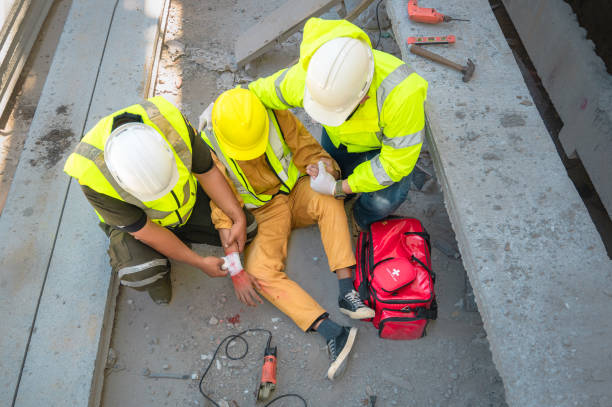
What Are the Top 10 Industries With the Most Workers’ Compensation Claims in North Carolina?
Workplace accidents can occur across a variety of industries, but some sectors experience higher rates of workplace injuries and illnesses due to the nature of their jobs. Below, we outline the top 10 industries in North Carolina with the most workers’ compensation claims and the factors contributing to their elevated risks, based on labor statistics.
1. Construction
The construction industry consistently sees a high number of claims due to its physical demands and hazardous working conditions. Common injuries include falls, equipment-related accidents, and repetitive strain injuries.
2. Manufacturing
Manufacturing workers face risks from operating heavy machinery, repetitive motions, and exposure to hazardous materials. These factors make this industry one of the leading sources of workplace injuries.
3. Healthcare and Social Assistance
Employees in healthcare settings are at risk of injuries from lifting patients, exposure to infectious diseases, and needlestick incidents. This sector also faces high levels of workplace stress.
4. Transportation and Warehousing
Transportation and warehousing workers frequently experience claims due to vehicle-related accidents, overexertion from moving heavy goods, and slip-and-fall incidents in warehouses. Truck drivers are particularly at risk for musculoskeletal injuries from sitting for long periods and loading/unloading goods.
5. Agriculture, Forestry, Fishing, and Hunting
The agricultural sector involves physically demanding work, exposure to machinery, and risks from working in extreme weather conditions, leading to a significant number of workplace injuries.
6. Retail Trade
Retail workers face injuries from lifting heavy objects, slips, and trips in stores, and repetitive motions during stocking or cashiering tasks.
7. Construction-Related Trades (Plumbing, Electrical, HVAC)
Subspecialties within construction, such as plumbers, electricians, and HVAC technicians, often face risks including electrical shocks, falls, and injuries from working in confined spaces.
8. Public Administration
Public sector employees, particularly emergency responders like firefighters and police officers, face risks from physical confrontations, hazardous environments, and high-stress situations.
9. Wholesale Trade
Workers in this industry handle large quantities of goods, which increases the risk of overexertion injuries, falls, and transportation accidents.
10. Utilities
Utility workers, including those in power and water services, face risks such as electrical hazards, working at heights, and confined-space environments, contributing to a notable number of claims.
Understanding these industry-specific risks highlights the importance of workplace safety measures. Employers and employees alike should stay proactive in mitigating hazards and ensuring compliance with North Carolina workers’ compensation laws.
What Kinds of Accidents and Injuries Does Workers’ Compensation Cover?
Workers’ compensation is designed to provide financial support and medical benefits to employees who suffer injuries or contract illnesses as a result of their job. This system ensures that workers receive proper care while protecting employers from costly lawsuits.
Types of Accidents Covered By Workers’ Compensation
- Slip and Fall Accidents: Injuries caused by slipping, tripping, or falling on workplace surfaces due to wet floors, uneven terrain, or cluttered walkways.
- Repetitive Motion Injuries: Conditions like carpal tunnel syndrome or tendonitis resulting from performing the same task repeatedly over time.
- Machinery and Equipment Accidents: Injuries caused by malfunctioning, improperly used, or unsafe machinery and equipment in the workplace.
- Falling Objects: Incidents where employees are struck by falling tools, equipment, or materials.
- Overexertion Injuries: Harm caused by lifting heavy objects, pulling, or pushing beyond physical limits, often resulting in strains or sprains.
- Work-Related Vehicular Accidents: Injuries incurred during travel for work purposes, such as delivery drivers or employees traveling between job sites.
- Exposure to Harmful Substances: Illnesses or injuries caused by exposure to toxic chemicals, airborne pollutants, or hazardous materials.
- Workplace Violence: Physical injuries stemming from altercations or acts of violence that occur at the workplace.
Types of Injuries Covered By Workers’ Compensation
- Repetitive Stress Injuries (RSI): Conditions such as carpal tunnel syndrome and tendonitis that develop over time due to repetitive motions or activities performed during work.
- Occupational Illnesses: Diseases directly resulting from workplace exposure, such as mesothelioma from asbestos or lung disease from inhaling industrial dust.
- Slip and Fall Accidents: Injuries sustained from slipping, tripping, or falling in the workplace, leading to conditions like fractures, sprains, or head injuries.
- Hearing Loss: Damage to hearing caused by prolonged exposure to loud noises or sudden loud events in the work environment.
- Burns and Electrical Injuries: Severe injuries resulting from exposure to flames, chemicals, or electrical accidents while on the job.
- Traumatic Physical Injuries: Immediate injuries caused by accidents, such as broken bones, concussions, or lacerations, often resulting from falling objects or heavy machinery.
- Fatal Occupational Injuries: These benefits are designed to offer financial assistance in the form of death benefits, which may include coverage for funeral and burial expenses, as well as ongoing monetary support to dependents.
Workers’ compensation is crucial in offering peace of mind and protecting employees from the financial burden of work-related injuries and illnesses.
What Types of Compensation Can Be Recovered In a Workers’ Compensation Case?
Workers’ compensation helps employees recover various forms of compensation to support them during their recovery period. These benefits are designed to address the financial and medical challenges caused by workplace injuries or illnesses. Common types of compensation include:
- Medical Expenses: Coverage for medical treatments, hospital stays, medications, and rehabilitation costs stemming from the injury or illness.
- Lost Wages: Reimbursement for a portion of the wages lost due to time away from work during the recovery process.
- Disability Benefits: Compensation for temporary or permanent disabilities, which may include partial or total disability support.
- Vocational Rehabilitation: Assistance with job training or skill development if the employee is unable to return to their previous role.
- Death Benefits: Financial support for the dependents of workers who have lost their lives due to a work-related injury or illness.
Why Should I Hire a Lawyer To Handle My Workers’ Compensation Claim?
Hiring a lawyer to handle your workers’ compensation claim can make a significant difference in achieving the best outcome for your case. While the workers’ compensation system is designed to assist injured workers, navigating it can often be a complex and overwhelming process. Here are some key reasons to consider hiring an attorney:
- Understanding Your Rights: An attorney will help ensure you fully understand your rights under the workers’ compensation laws in your jurisdiction, preventing you from being taken advantage of by your employer or insurance company.
- Maximizing Compensation: An experienced lawyer will evaluate your case to ensure all entitled benefits are claimed, including medical expenses, lost wages, and potential future benefits.
- Handling Complex Paperwork: Workers’ compensation claims involve detailed forms, deadlines, and documentation. An attorney will manage these tasks on your behalf to avoid mistakes or delays that could harm your case.
- Appealing Denied Claims: If your claim is denied, an attorney can guide you through the appeals process, including gathering evidence, dealing with insurers, and representing you at hearings.
- Negotiating Settlements: An attorney has the expertise to negotiate with insurance companies to reach a fair settlement and prevent you from accepting an offer that doesn’t cover your full expenses.
- Legal Representation During Disputes: If your employer or the insurance company’s interpretation of the case conflicts with yours, an attorney will represent you in court or during mediation to protect your interests.
By hiring a knowledgeable workers’ compensation attorney, you increase your chances of navigating the system effectively, avoiding common pitfalls, and securing the compensation you deserve.
Collier Law | Workers’ Compensation Lawyer for North Carolina
At Collier Law, we understand the challenges and uncertainties that come with a workers’ compensation claim. With our expertise, dedication, and proven track record, we stand out as a premier choice for legal representation in North Carolina. Here’s why:
- Award-Winning Legal Expertise: Collier Law has been recognized for excellence in workers’ compensation law with numerous industry awards and accolades, highlighting our commitment to client success.
- Proven Track Record: We have successfully secured substantial settlements and verdicts for countless clients, ensuring they receive the compensation they rightfully deserve.
- Client-Centered Approach: Your well-being is our top priority. We provide personalized legal strategies tailored to your unique needs and circumstances.
- Experienced Advocacy: With years of experience exclusively handling workers’ compensation cases, our team possesses in-depth knowledge of North Carolina law to effectively advocate on your behalf.
- Highly Rated: Our clients consistently leave stellar reviews, praising our professionalism, responsiveness, and results-driven representation.
Don’t face your workers’ compensation case alone. Trust the tested expertise of CLWCA to fight for your rights and the benefits you deserve.
Schedule a Free Consultation Today!
Take the first step towards securing your compensation by contacting us for a free, no-obligation consultation. Call us now or visit our website to schedule your free consultation and learn how we can help you through this process with confidence and care.